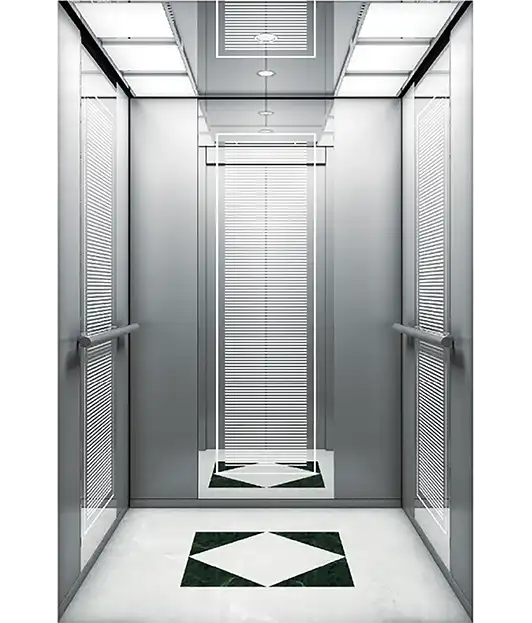
NINGBO SIGMA Hydraulic Passenger Elevator
Model: HGM-P21
Specifications:
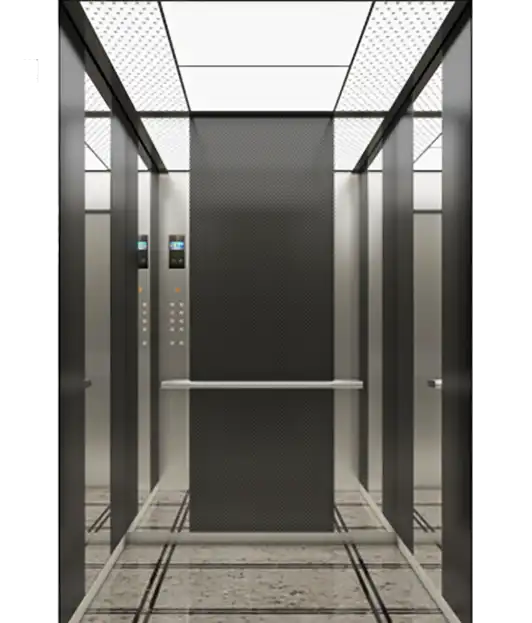
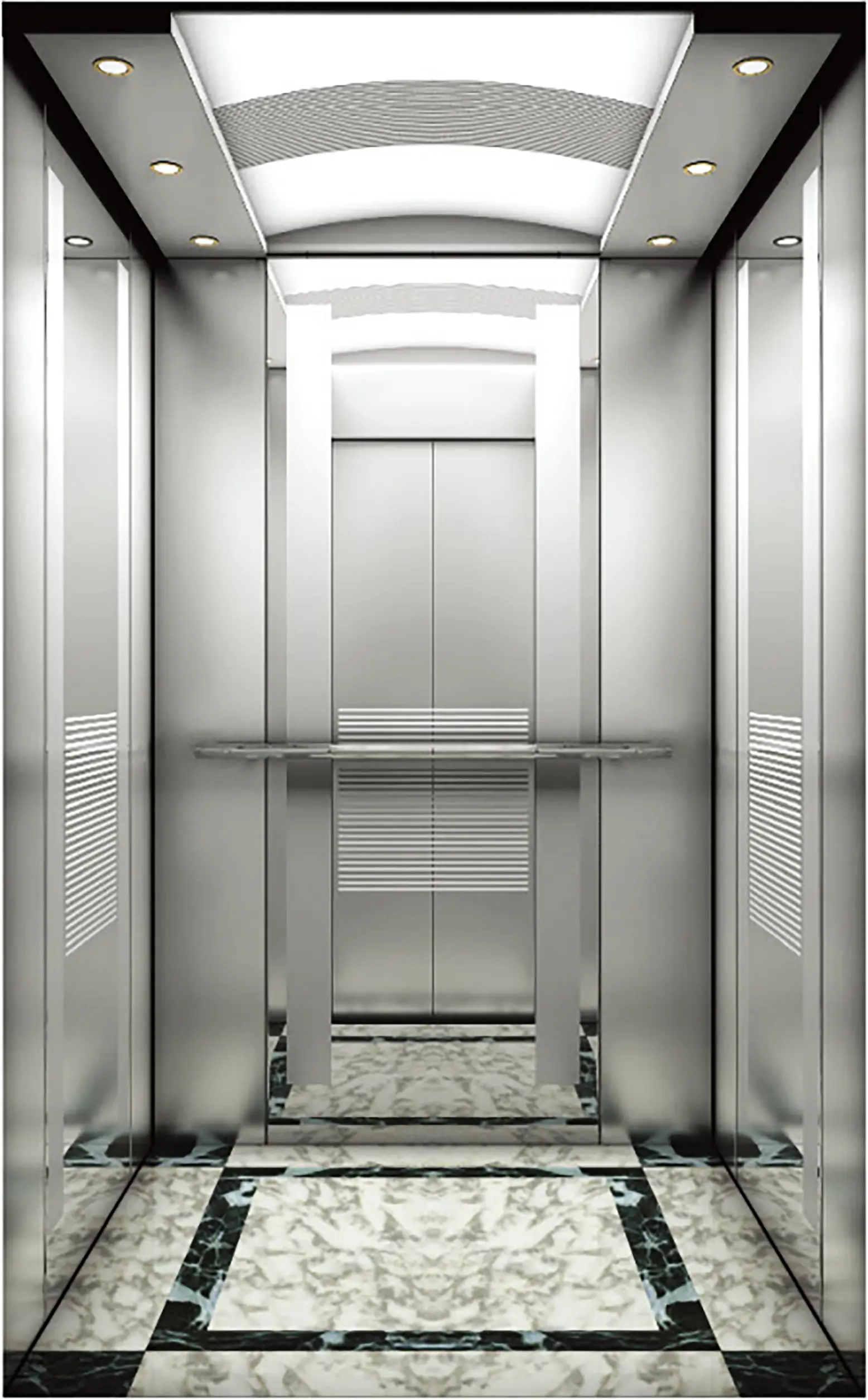
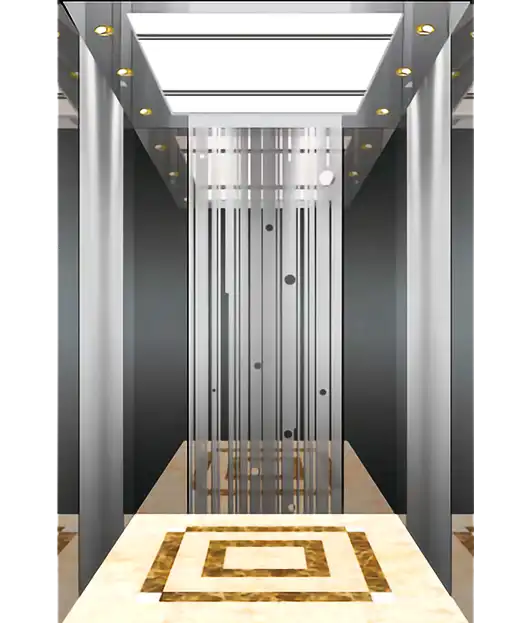
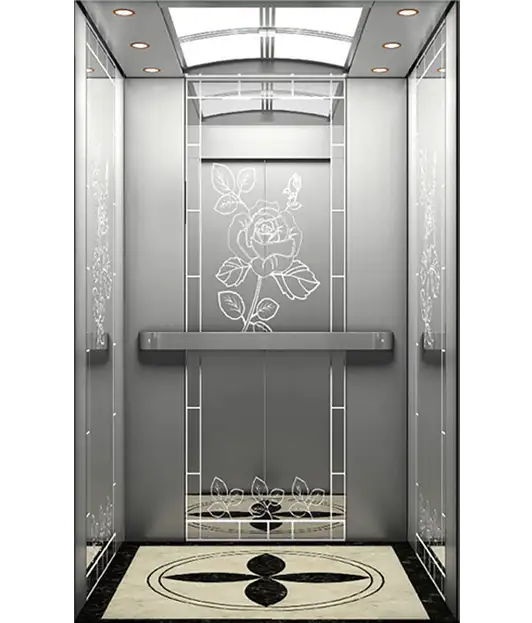
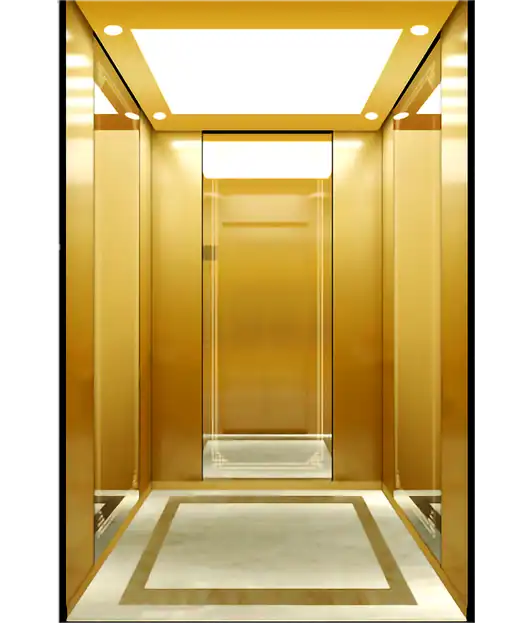
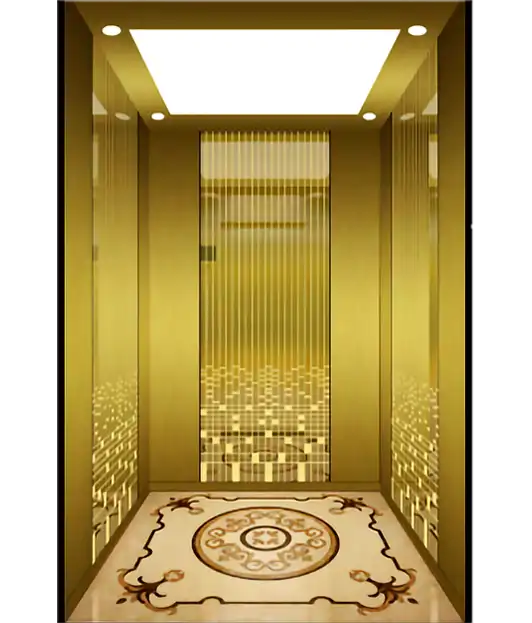
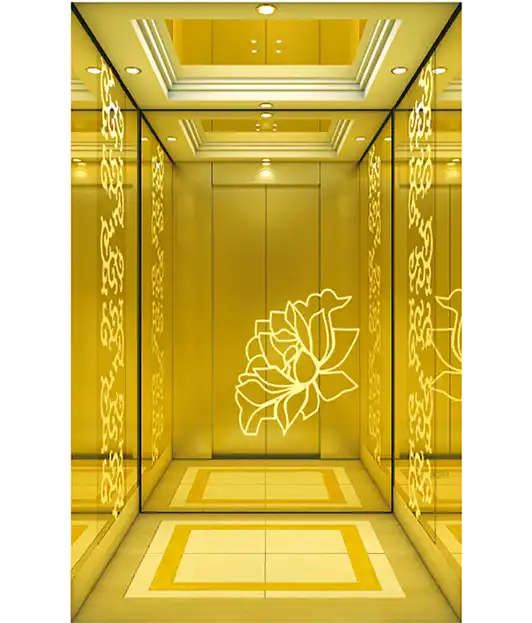
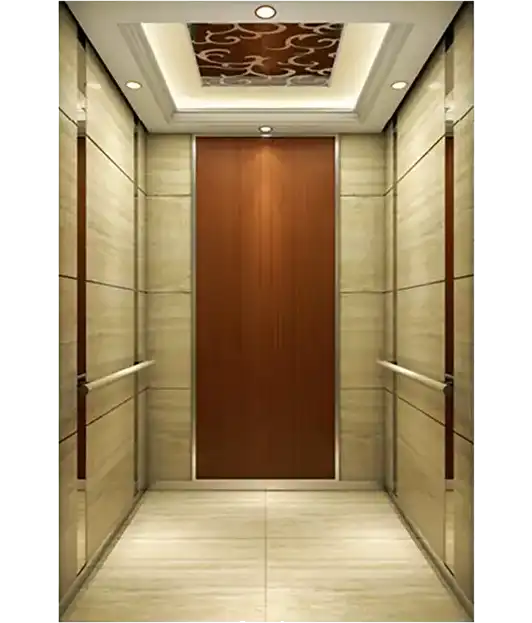
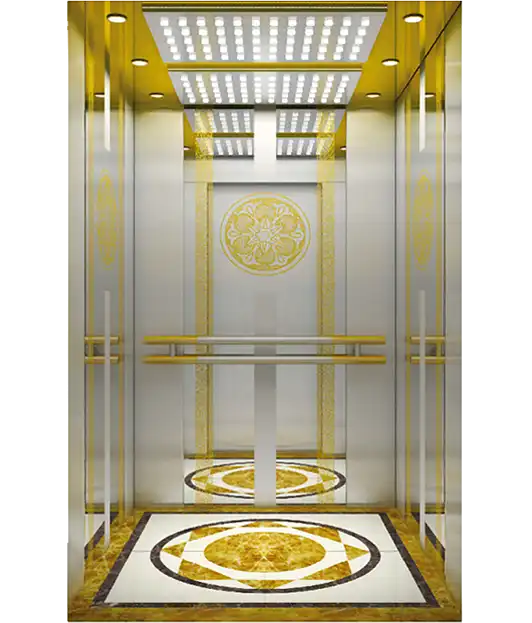
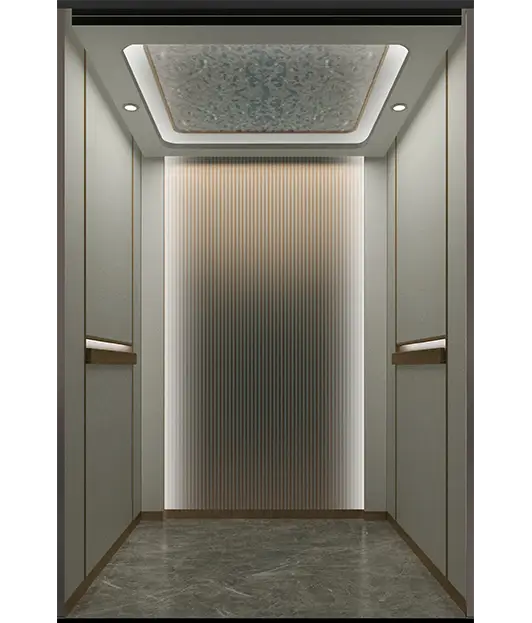
Ceiling: Titanium gold mirror stainless steel, arched acrylic transparent plate
Cabin Wall: Titanium gold mirror stainless steel, etched
Handrail: Titanium gold stainless steel +wood-grain round tube
Floor: PVC(Standard), Marble(Optional)
Product Details
NINGBO SIGMA Hydraulic Passenger Elevator
A passenger elevator (or lift) is an essential vertical transportation system designed to efficiently and safely move people between different floors of a building. As a cornerstone of modern architecture, elevators enable accessibility, convenience, and time-saving mobility in high-rise buildings, commercial complexes, residential towers, hospitals, hotels, and public infrastructure.
With advancements in engineering and smart technology, today’s passenger elevators offer smooth rides, energy efficiency, cutting-edge safety features, and customizable designs to meet diverse architectural and user needs.
Key Components & Working Mechanism
1. Elevator Cab (Car)
-
Designed for comfort and safety, available in various sizes (4 to 50+ passengers).
-
Interior finishes include stainless steel, glass, wood, or premium laminates.
-
Features non-slip flooring, handrails, LED lighting, and ventilation for passenger comfort.
2. Drive Systems
-
Traction Elevators (Geared/Gearless):
-
Use steel ropes, counterweights, and electric motors.
-
Ideal for mid to high-rise buildings (up to 150+ floors).
-
Gearless systems offer smoother, faster, and quieter operation.
-
-
Hydraulic Elevators:
-
Operate via pistons and hydraulic fluid.
-
Best for low-rise buildings (2–6 floors) due to slower speeds.
-
Require a machine room but are cost-effective for small buildings.
-
-
Machine-Room-Less (MRL) Elevators:
-
Compact, energy-efficient, with machinery inside the shaft.
-
Popular in modern buildings due to space-saving benefits.
-
-
Vacuum (Pneumatic) Elevators:
-
Use air pressure differences for movement (no cables or pit required).
-
Transparent tubular design for aesthetic appeal in homes.
-
3. Control & Navigation Systems
-
Destination Dispatch Control (Smart Grouping):
-
AI optimizes elevator routes, reducing wait times in high-traffic buildings.
-
-
Touchless & Voice-Activated Controls:
-
RFID, smartphone apps, or voice commands for hygienic operation.
-
-
Automatic Landing & Door Sensors:
-
Ensures precise floor alignment and prevents door accidents.
-
4. Safety Features (Critical for Passenger Protection)
-
Emergency Braking System (prevents free-fall in case of failure).
-
Overload Sensors (prevents operation if weight exceeds capacity).
-
Fire-Rated & Earthquake-Resistant Models (for disaster-prone areas).
-
Backup Power (UPS/Battery) to ensure operation during outages.
-
Emergency Alarm & Intercom for immediate assistance.
5. Energy Efficiency & Sustainability
-
Regenerative Drives feed unused energy back into the building’s grid.
-
LED Lighting & Sleep Mode reduce power consumption.
-
LEED & Green Building Certified options available.
Types of Passenger Elevators Based on Application
1. Residential Elevators
-
Compact, silent, and stylish for homes, villas, and apartments.
-
Options include hydraulic, pneumatic, or MRL models.
2. Commercial Elevators (Offices, Malls, Hotels)
-
High-capacity, durable, with destination dispatch for efficiency.
-
Glass elevators for luxury hotels & shopping centers.
3. Hospital & Medical Elevators
-
Wider cabins for stretchers & wheelchairs.
-
Antibacterial coatings & easy-to-clean surfaces.
4. High-Speed Elevators (Skyscrapers & Towers)
-
Speeds up to 20+ m/s (45+ mph) for ultra-tall buildings.
-
Pressure control systems for ear comfort at high speeds.
5. Accessible (ADA-Compliant) Elevators
-
Wider doors (≥ 36 inches), braille buttons, voice announcements.
-
Compliant with Americans with Disabilities Act (ADA) & EN 81-70.
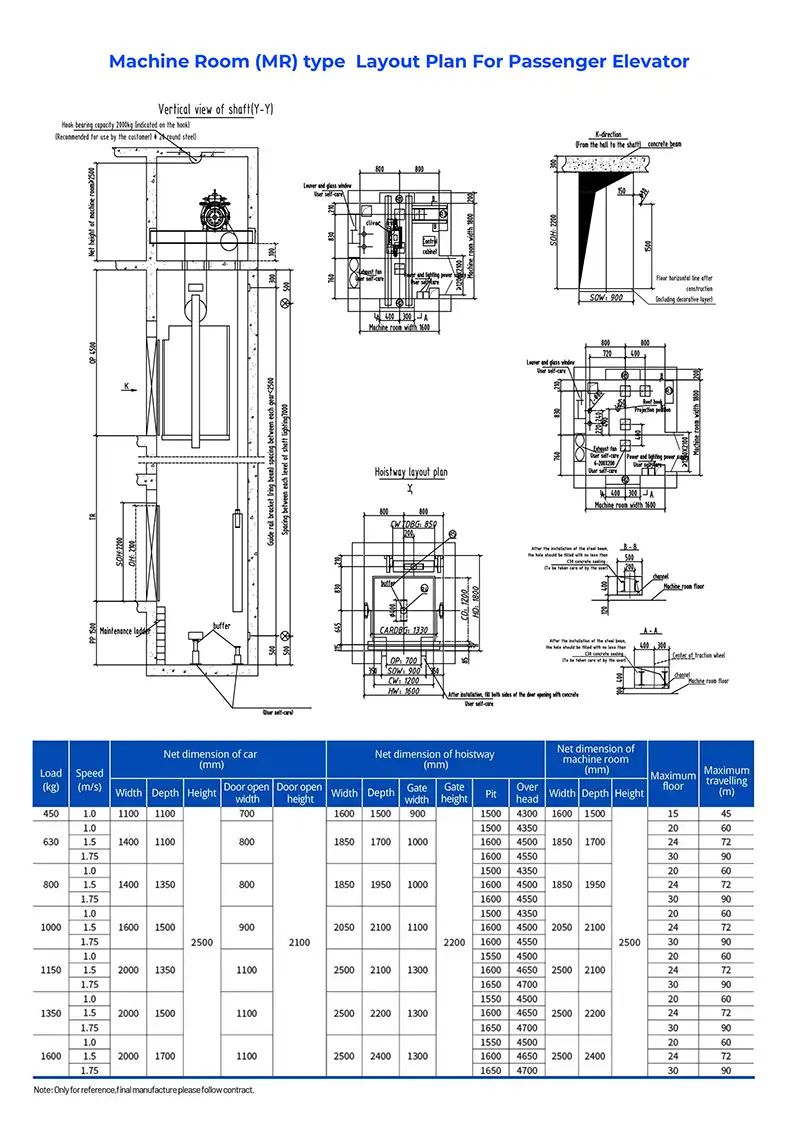
Drawings: