ICU Patient Elevators For Medical Buildings
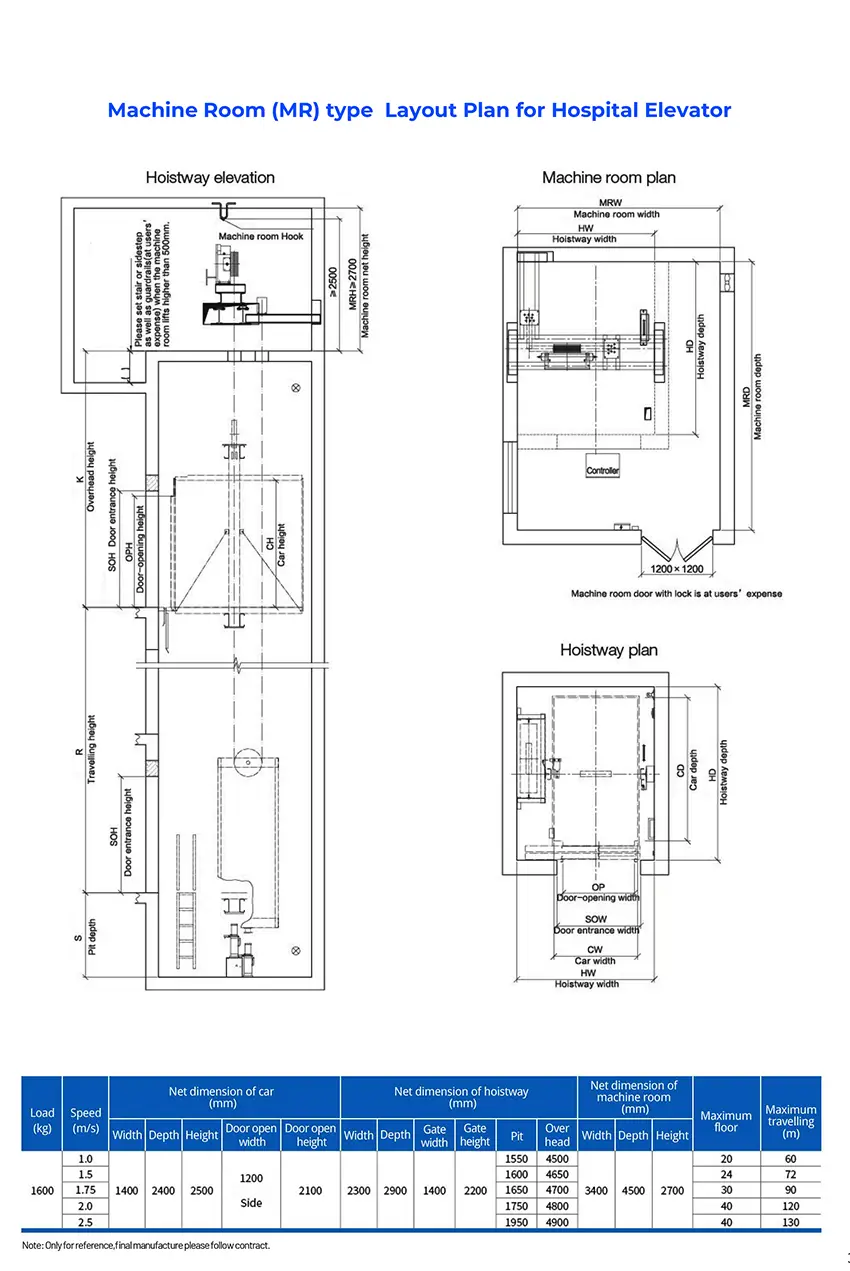
Model: HGM-H06
Specifications:
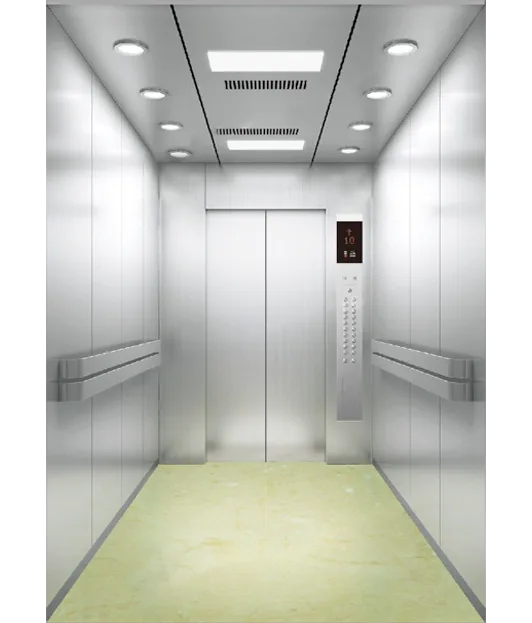
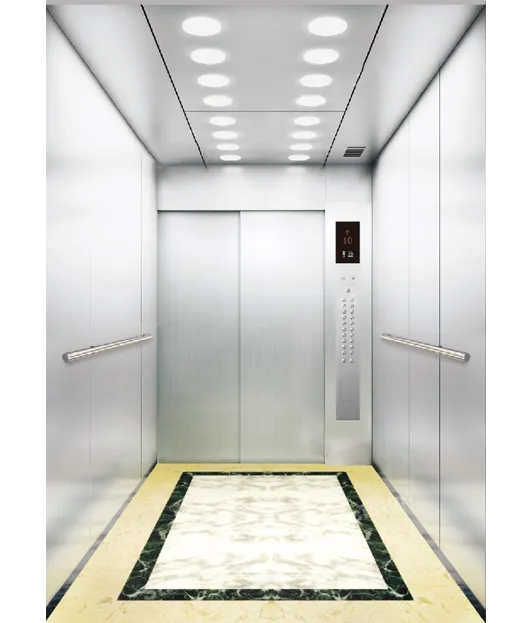
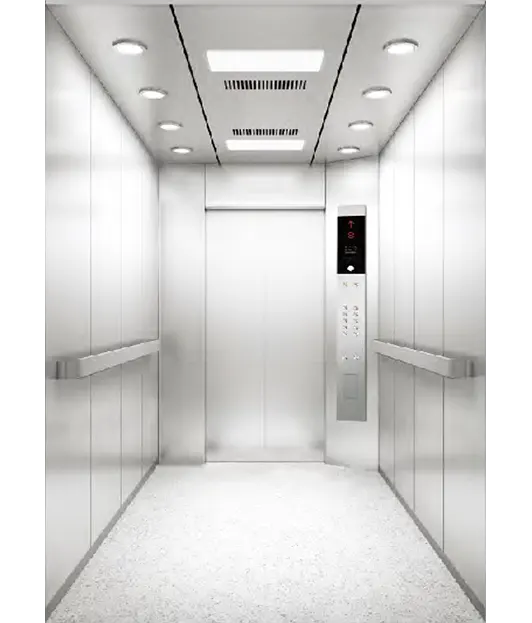
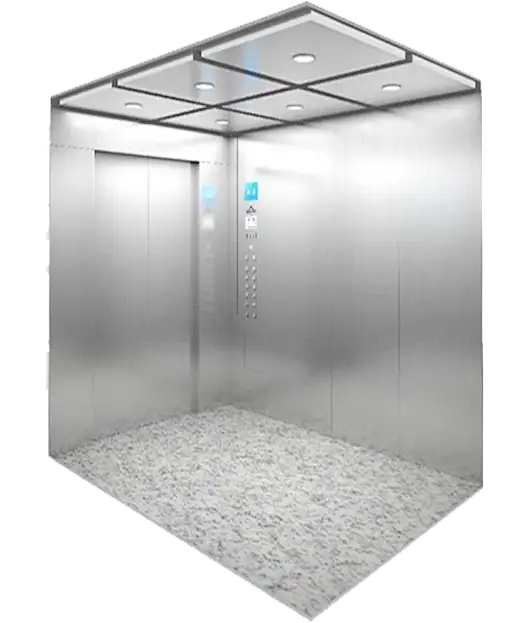
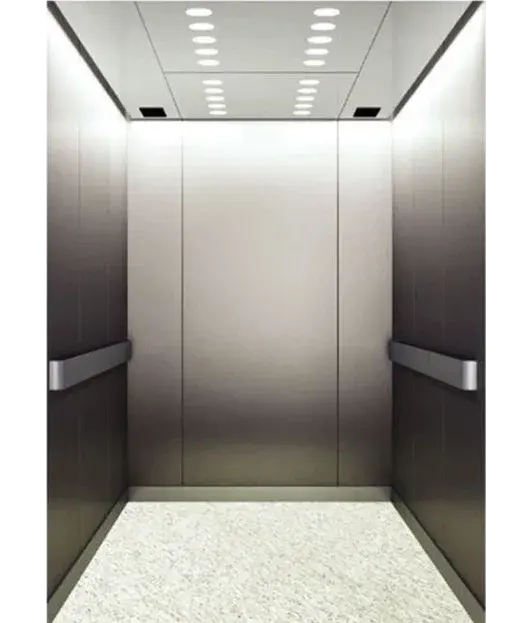
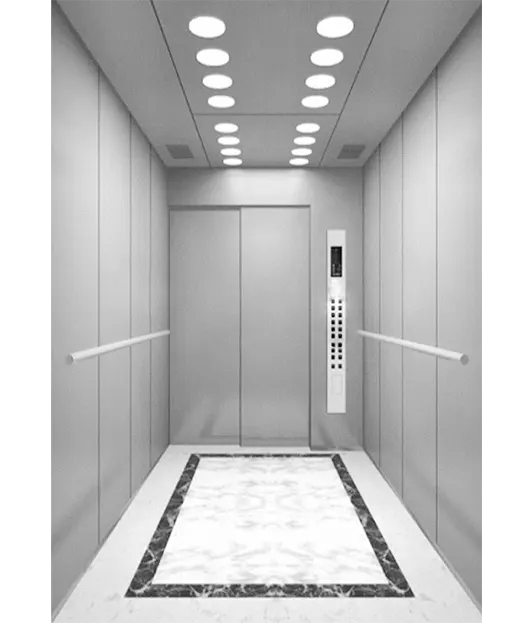
Ceiling: Hairline stainless steel, LED lights
Cabin Wall: Hairline stainless steel
Cabin Door: Hairline stainless steel
Handrail: Stainless steel flat double armrest
Floor: PVC, Marble (Optional)
Product Details
ICU Patient Elevators For Medical Buildings
Specifications:
Ceiling: Hairline stainless steel, LED lights
Cabin Wall: Hairline stainless steel
Cabin Door: Hairline stainless steel
Handrail: Stainless steel flat double armrest
Floor: PVC, Marble (Optional)
Hospital elevators require regular inspections to ensure reliability and compliance with strict healthcare regulations. Monthly checks of elevator components, emergency systems, and door mechanisms are essential. With proper maintenance, hospital lifts can last 20–25 years.
Choosing the Right Hospital Elevator
Factors to consider when selecting a hospital elevator:
-
Building size and height – Determines lift capacity and speed.
-
Expected traffic – Higher passenger flow requires larger elevator cars.
-
Weight capacity – Must accommodate stretchers, medical staff, and equipment.
-
Energy efficiency – Low consumption models save costs in the long term.
-
Safety features – Must meet healthcare safety standards.
Advantages of Installing a Hospital Elevator
-
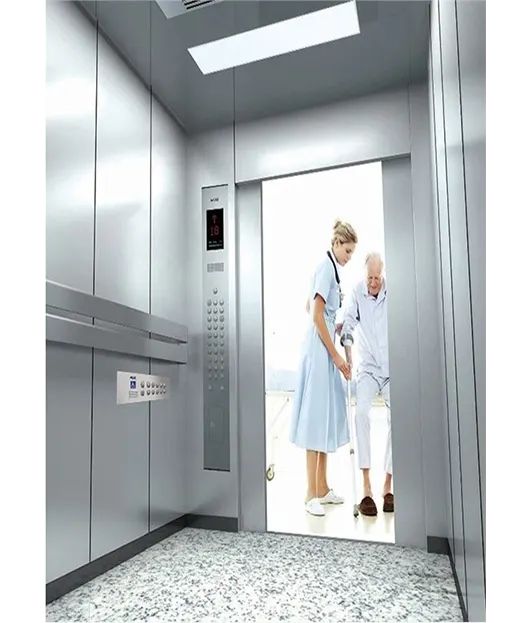
Facilitates safe patient transport.
-
Enhances accessibility for patients with mobility challenges.
-
Supports emergency medical response.
-
Increases efficiency in high-rise and commercial healthcare facilities.
-
Improves comfort and safety in healthcare environments.
In summary, hospital elevators are a crucial part of healthcare infrastructure, providing safe, efficient, and reliable vertical transportation for patients, staff, and equipment in medical environments.